
The gifts of Rokua Geopark’s nature on a plate
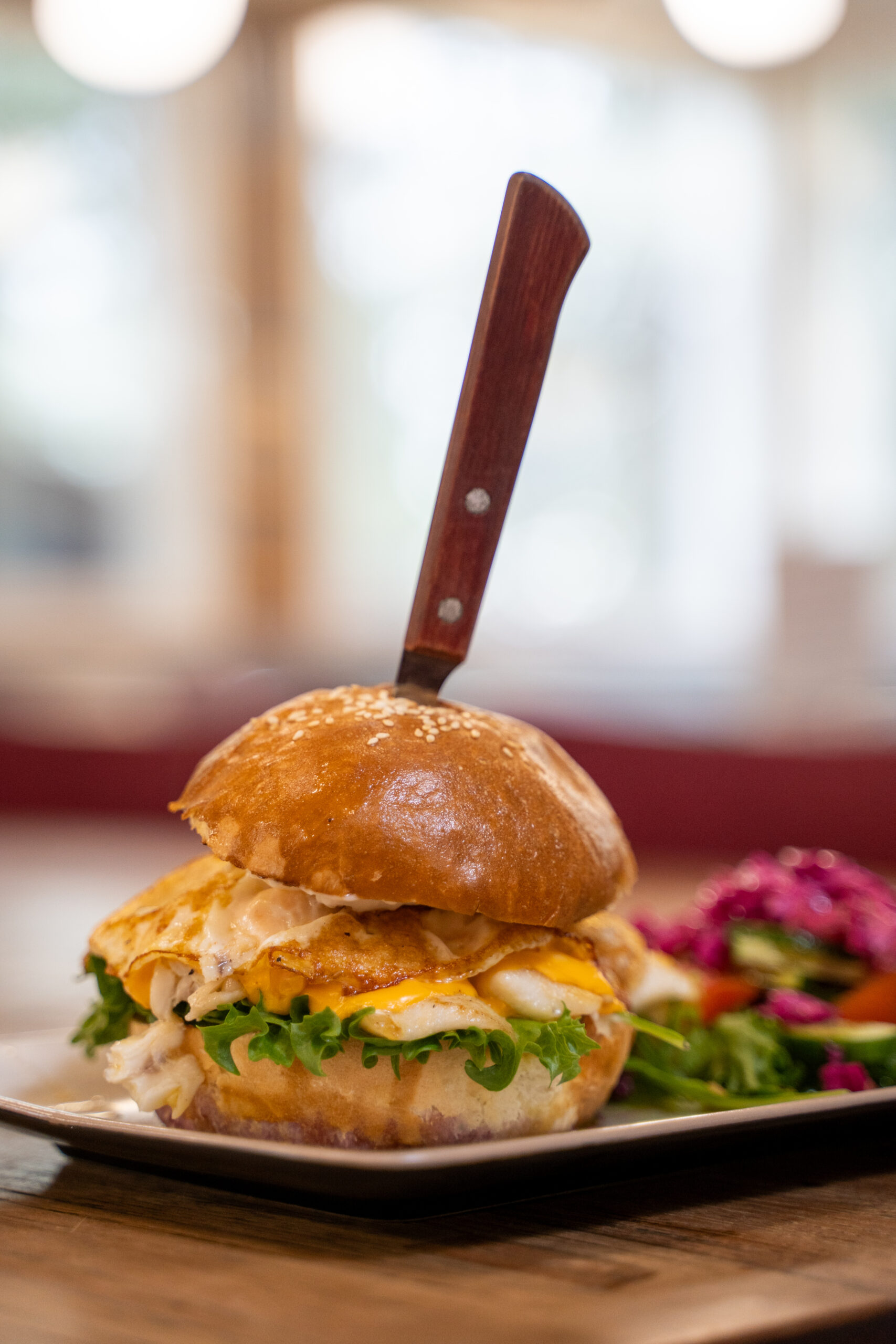
The division of Rokua Geopark into three landscape areas creates local variety to the food production and its supply. In Lake Oulujärvi, many foodfish, such as pike perch, perch, vendace and pike are used in the local kitchens. These excellent food fish are traditionally transformed into dishes such as fish soup or smoked fish, or prepared as fish burgers and fillets. Moose is also hunted from Lake Oulujärvi and Vaala area. Other traditional foods include meat pot, Finnish squeaky cheese, whipped lingonberry porridge, rye flatbread and home-brewed beer.
The dry soils of Rokua provide ideal conditions for wild foods that thrive in dry pine forests. Milkcaps (Lactarius spp.), brittlegills (Russula spp.), and porcini mushrooms (Boletus edulis) have long been prized local delicacies, traditionally used in soups, sauces, and savoury pies. Like Lake Oulujärvi, Rokua’s many lakes and ponds provide a variety of fish for the table, including perch, pike, and European whitefish. The region’s centuries-old tradition of tar production has also left its mark on the local food culture, where pine tar is still used today as a distinctive flavouring, for example in desserts.
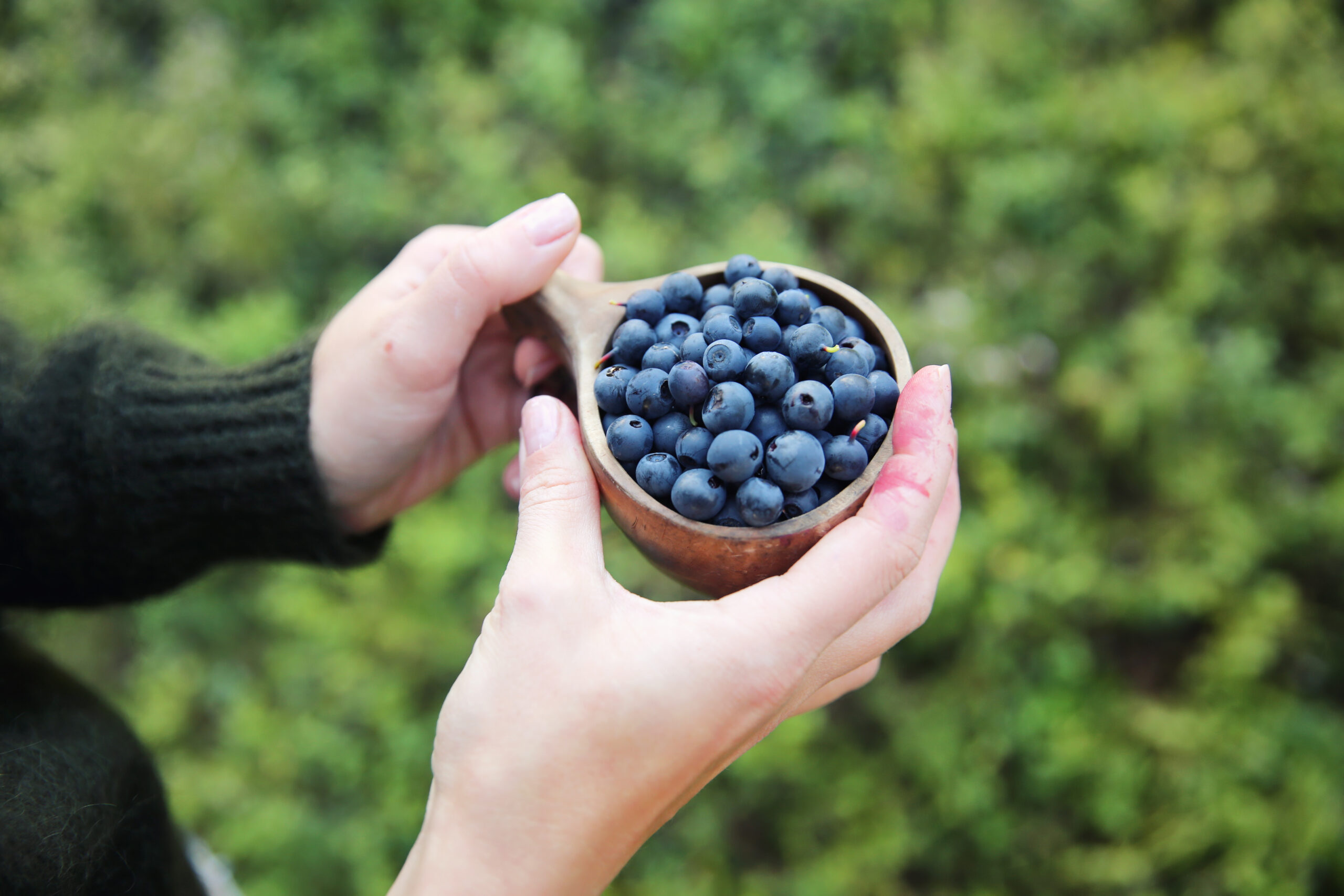
Rokua’s forests are also rich in lingonberries and blueberries, two of the most traditional ingredients in the region’s desserts. Cranberries and cloudberries can be gathered from the surrounding peatlands. These vitamin-rich berries are enjoyed in a variety of fresh desserts, including smoothies, berry pies, and quark desserts. They are also served with Finnish squeaky cheese (leipäjuusto), while lingonberries remain a classic accompaniment to game dishes.
In the Oulujoki River Valley, the local food tradition reflects the region’s long agricultural history. Beef, potatoes, root vegetables, and grains such as oats and rye have long been staple ingredients, while rainbow trout is also caught in the Oulujoki River. Traditional main courses include Karelian stew, salmon soup, and rössypottu, a regional speciality of North Ostrobothnia made with blood sausage and potatoes. Locally baked breads and flatbreads (rieska) are enjoyed simply with butter or served alongside fish soup. Finnish squeaky cheese (juustoleipä) and locally produced honey are also regional delicacies, while fresh spruce tips are gathered in spring and used to flavour a variety of dishes.